
Historic Wooden Cornice Painting and Restoration in PhiladelphiaIf you gaze up at the roof-lines of Victorian, Italianate, or Federal-style row-homes in Philadelphia neighborhoods like Fairmount, Queen Village, or Powelton Village, you will be struck by the intricate architectural woodwork. The massive, overhanging wooden structures projecting from the top of the facades are known as cornices.Historically designed to shed rainwater away from the masonry facade while providing a grand visual capstone to the architecture, these structures are heavily exposed to the elements.
Decades of blistering summer sun, driving rain, and winter freeze-thaw cycles brutalize the protective coatings on the wood.When the paint on a historic cornice begins to crack, peel, and flake, the vulnerable antique wood underneath is immediately exposed to moisture, leading to rapid rot. Restoring and painting a third-story wooden cornice is one of the most technically demanding and hazardous tasks in urban exterior maintenance.At Philadelphia Painting Services, we execute safe, meticulous cornice restorations.
Philadelphia Painting Services — official website.
EPA: Lead-Safe Renovation, Repair and Painting.
Here is a technical breakdown of how to properly prepare, repair, and coat historic exterior woodwork.The Challenge of Safe AccessThe first major hurdle in cornice restoration is simply reaching it safely. A typical Philadelphia rowhome cornice sits 30 to 40 feet above the ground.Aerial Lifts (Boom Lifts): Where street access permits and overhead power lines are safely distanced, utilizing an articulating boom lift is the most efficient and safest method. It allows the painter to maneuver directly in front of the intricate woodwork with all their tools.
Operating a lift on a Philadelphia street requires a municipal Right-of-Way closure permit.Scaffolding: In narrow alleyways or tight streets where heavy equipment cannot maneuver, erecting tubular steel scaffolding is necessary. Scaffolding provides a stable, wide working platform for deep restoration work.Extension Ladders: Working off a 40-foot extension ladder is highly dangerous for detailed restoration. A painter cannot safely scrape, sand, and apply structural epoxies using both hands while balancing on a high ladder rung.
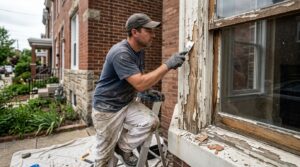
Professional contractors utilize stable platforms for this intensive work.EPA RRP Lead-Safe Work PracticesVirtually every wooden cornice installed in Philadelphia prior to 1978 is coated in multiple layers of highly toxic lead-based paint.When the old paint is peeling and flaking, it must be removed to create a sound substrate for the new coating. However, aggressively power-sanding or dry-scraping lead paint creates a cloud of toxic lead dust that will blanket the sidewalk, your property, and your neighbors’ yards.This is not just a health hazard; it is a federal violation.
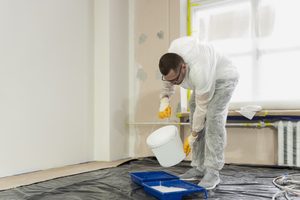
The Environmental Protection Agency (EPA) mandates that any contractor disturbing more than 20 square feet of exterior lead-based paint must be an EPA Lead-Safe Certified Firm and follow strict Renovation, Repair, and Painting (RRP) Rule protocols.Compliant Cornice Preparation Includes:Containment: Heavy plastic sheeting must be laid out on the ground extending outward from the base of the wall to catch all falling paint chips and debris.Wet Scraping: Painters must mist the peeling paint with water before scraping.
The moisture weighs down the microscopic lead dust, preventing it from going airborne while the loose flakes are carefully removed with hand scrapers.HEPA Vacuuming: All power sanders used on the wood must be directly attached to industrial vacuums equipped with HEPA (High-Efficiency Particulate Air) filters to capture dust at the source.Wood Rot Repair and ConsolidationOnce the loose paint is safely removed, the structural health of the wood must be assessed.
The flat top ledge of a cornice and the decorative carved brackets (corbels) are highly prone to rot because water sits on them.You cannot paint over soft, spongy, rotted wood. The paint will fail immediately because the substrate lacks structural integrity.Excavation: All soft, decayed wood must be aggressively dug out using chisels or oscillating saws until sound, dry wood is reached.Consolidation: The exposed, healthy wood fibers are saturated with a liquid two-part liquid epoxy consolidant.
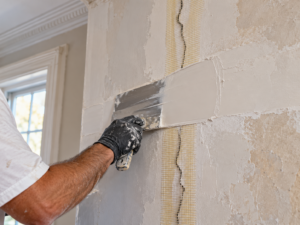
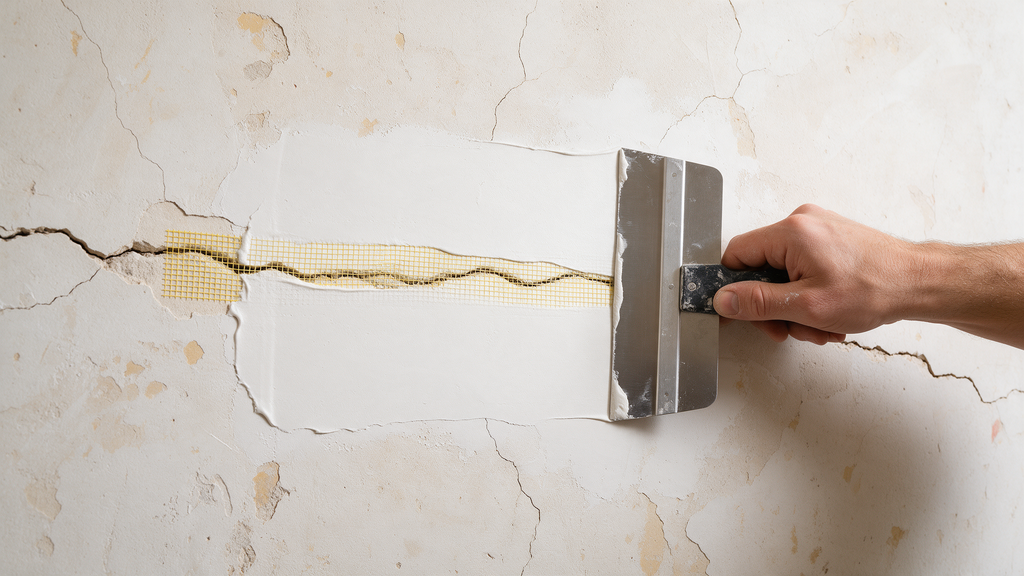
The wood drinks the thin liquid deep into its cellular structure; when it cures, it turns the old, punky wood back into a rock-hard surface.Epoxy Filling: The excavated voids are then filled with a two-part structural wood epoxy putty (such as Abatron WoodEpox). The putty is packed tightly into the cavity and sculpted to match the exact original profile of the historic molding.
Once cured, the epoxy is sanded perfectly smooth, permanently replacing the missing wood with a waterproof, rot-proof patch.Coating Selection: Primers and Premium AcrylicsThe final step is establishing an impenetrable, flexible barrier against the weather. Historic wood expands and contracts significantly as humidity changes. The coatings must flex with the wood.The Primer: Historic wood is extremely dry and thirsty. The bare wood and all epoxy repairs must be heavily coated with a premium, slow-drying exterior oil-based primer or a high-adhesion specialty acrylic bonding primer.
The primer penetrates the wood fibers, sealing out moisture and providing a tenacious “grip” for the topcoats.Caulking: All gaps, seams, and joints where water could enter the assembly are sealed using a highly flexible, paintable elastomeric polyurethane caulk. (Crucially, the underside of the overlapping clapboards should not be caulked, as this prevents trapped moisture from escaping).The Finish Coats: The cornice is finished with two thick coats of premium, 100% acrylic exterior latex paint. High-quality acrylics remain flexible even in freezing temperatures, allowing them to stretch and recover with the movement of the wood without cracking.
FAQs About Cornice PaintingCan I replace my rotted wooden cornice with a fiberglass replica?
If your property is historically designated, the Philadelphia Historical Commission generally requires repairing the original wood rather than replacing it with synthetic materials.
If replacement is unavoidable due to catastrophic decay, they may require an exact architectural replica in wood.How often does a historic cornice need to be painted?Due to its severe exposure at the highest point of the house, a meticulously prepped and painted wooden cornice typically requires recoating every 7 to 10 years to maintain its weather seal.Why is peeling paint worse on the south-facing side of the house?The southern and western exposures of a Philadelphia home receive the most intense direct ultraviolet (UV) sunlight.
The UV radiation bakes the elasticity out of the paint film faster, causing it to become brittle and crack long before the paint on the shaded northern side fails.Protect your home’s historic architectural crown and seal out destructive moisture. Contact Philadelphia Painting Services for a compliant, expert exterior woodwork restoration and painting evaluation.