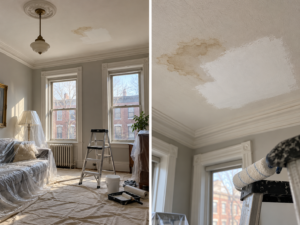

Utilizing Low-VOC Paints for Occupied Commercial Spaces is a practical planning question for property owners in Philadelphia. The right approach depends on the existing conditions, the way the space or system is used, and how the proposed work interacts with surrounding materials. Understanding those details early helps prevent a cosmetic decision from creating a larger construction, maintenance, or code problem later. That review should happen before demolition, fabrication, or installation begins.
Low VOC Does Not Mean No Disruption
Low-VOC products can reduce certain emissions and odors, but occupants may still notice paint, primer, cleaners, sealants, and patching materials. Ventilation, product selection, work sequencing, and communication remain important. Sensitive occupants and specialized workplaces may require additional planning beyond the VOC number on the label.
Define Occupied Zones and Work Hours
Painting can be phased by office, floor, corridor, or department to preserve operations. The plan should identify quiet periods, secure storage, access routes, drying areas, and when furniture or technology can be moved back. Clear boundaries protect wet surfaces and keep workers separated from active preparation areas.
Choose a Complete Compatible System
Primer and finish must suit the substrate, existing coating, cleaning needs, and desired sheen. A low-VOC finish does not help if a stronger solvent product is needed unexpectedly during preparation. Reviewing technical data for every component prevents substitutions that conflict with the indoor-air goal.
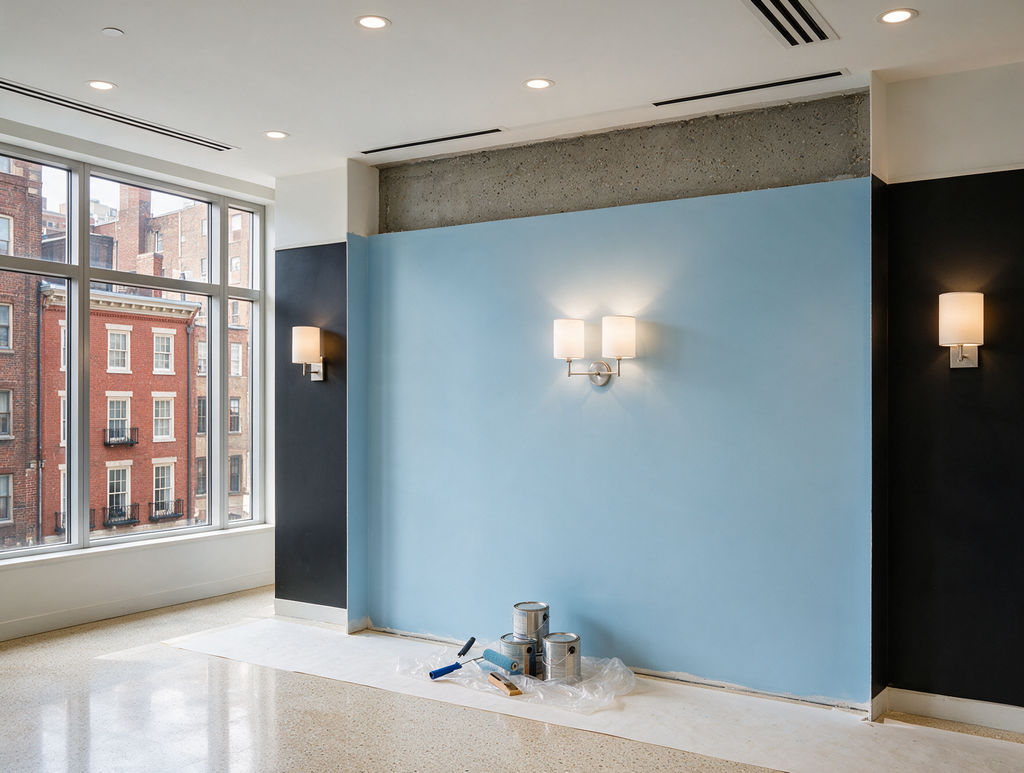
Communicate Curing and Ventilation Requirements
Dry-to-touch time is not the same as full cure. Doors, shelves, and high-touch surfaces can stick or mark when returned to service too quickly. Facility managers should receive a schedule for ventilation, furniture replacement, cleaning, and normal use so the new finish can develop properly without unnecessary downtime.
Questions to Resolve Before Work Begins
Before comparing proposals, make sure each contractor is pricing the same boundaries, materials, preparation, protection, access, disposal, and finish restoration. Ask which selections must be finalized before work begins, which conditions remain allowances, and which approvals or inspections can affect the schedule. Product data and drawings should match the written scope. This makes it easier to distinguish a genuinely different construction approach from a price difference created by missing work. Record approved samples, model numbers, colors, profiles, and installation requirements in one selection log. The agreement should also explain change-order authorization, progress documentation, cleanup standards, final inspection, and the information the owner receives for maintenance after the project is complete.
Planning the Next Step
Property owners should compare the visible condition with the broader assembly, confirm any permit or manufacturer requirements that apply, and document the proposed scope before materials are ordered. Guidance from U.S. EPA guidance on volatile organic compounds can help frame the technical questions, while an on-site evaluation determines what is appropriate for the individual property. Contact Philadelphia Painting Services to discuss surface preparation, coating selection, scheduling, and finish expectations for your residential or commercial painting project.
Learn more about commercial painting contractors.