
The Mid-Atlantic climate is brutal on exterior coatings. Searing summer UV rays bake the paint, while freezing winter moisture causes the wood underneath to expand and contract, forcing the paint to crack and peel. For homeowners in Roxborough and Northeast Philadelphia, maintaining the exterior paint is not just about curb appeal; it is the primary defense against wood rot.
However, hiring someone to simply spray fresh paint over peeling siding is a waste of money. The longevity of professional exterior painting in Philadelphia is dictated entirely by the rigorous preparation done beforehand.
Step 1: Power Washing and Mildew Removal
Paint will not stick to dirt, chalky residue, or algae. The first step is a thorough, low-pressure wash of the entire exterior. Professionals use specialized detergents to kill mildew spores deep within the wood grain. If mildew is painted over, it will simply grow through the new coating within a few months, leaving dark green and black stains on your newly painted home.
Step 2: Scraping and Lead Paint Safety
Once the home is completely dry, the hard work begins. Every inch of loose, flaking, or bubbling paint must be mechanically removed using hand scrapers and wire brushes.
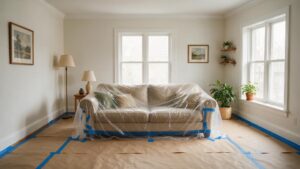
A Crucial Note for Philadelphia Homes: Because a vast majority of the city’s housing stock was built before 1978, the existing layers of paint likely contain lead. Disturbing lead paint creates hazardous dust. Professional contractors are required by the EPA to follow strict Lead-Safe work practices, which include laying down specialized drop cloths to capture paint chips and using HEPA-filtered vacuums to protect your family and the soil around your property.
Step 3: Wood Repair and Caulking
Painting over rotted wood is useless. Any soft trim boards, window sills, or fascia must be cut out and replaced with new wood or PVC trim before painting begins.
After repairs, every seam where two pieces of wood meet—such as around window casings, door frames, and corner boards—must be sealed with high-quality, exterior-grade acrylic-urethane caulk. This prevents wind-driven rain from penetrating behind the siding.
Step 4: Spot Priming Bare Wood
Where the old paint was scraped away down to the bare wood, a high-adhesion exterior primer must be applied before the final color coat. Primer acts as a glue, bonding tightly to the raw wood and providing a stable, uniform surface for the topcoat to grip. Skipping this step guarantees the new paint will peel off the bare spots after the first winter freeze.
CTA
Protect your home’s exterior with a paint job designed to last. Contact Philadelphia Painting Services to schedule a comprehensive exterior evaluation and secure your spot on our seasonal painting schedule.