

Selecting High-Durability Epoxy Coatings for Commercial Floors is a practical planning question for property owners in Philadelphia. The right approach depends on the existing conditions, the way the space or system is used, and how the proposed work interacts with surrounding materials. Understanding those details early helps prevent a cosmetic decision from creating a larger construction, maintenance, or code problem later. That review should happen before demolition, fabrication, or installation begins.
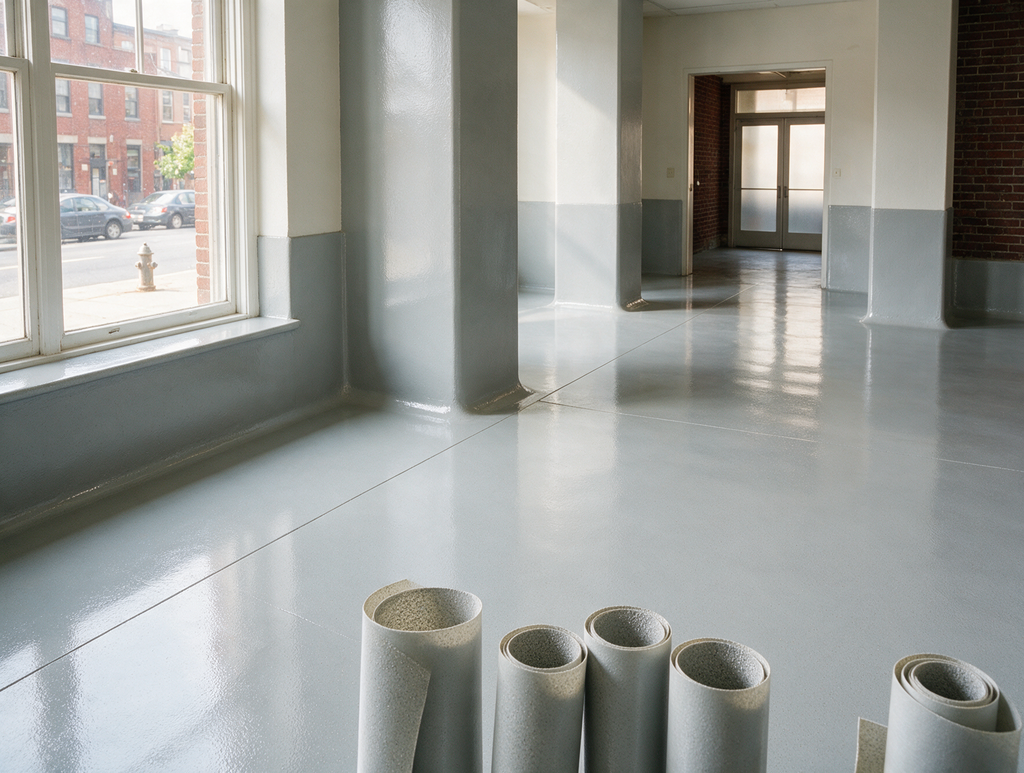
Warehouse Floors Need a Performance Brief
The right coating depends on vehicle traffic, forklifts, pallet movement, dropped tools, chemicals, cleaning methods, slip concerns, temperature, and operational downtime. Calling every thick floor finish epoxy ignores meaningful differences among primers, epoxy build coats, urethane or polyaspartic finishes, aggregates, and joint treatments.
Concrete Preparation Controls Adhesion
Oil, curing compounds, moisture, laitance, previous coatings, and weak surface paste can prevent a durable bond. Mechanical preparation creates the profile specified by the coating system and exposes defects that need repair. Moisture testing and contamination assessment should happen before the final system is selected.
Treat Joints and Cracks Deliberately
Moving joints should not be rigidly bridged simply to create a seamless appearance. Static cracks, spalls, and construction joints may require different repair materials and geometry. The plan should identify which lines remain visible, which receive flexible sealant, and which can be filled under the selected coating.
Plan Installation Around Operations
Surface preparation creates noise and dust, while coatings require controlled access and cure time. Divide the floor into phases that preserve safe routes, equipment movement, and ventilation. Owners should distinguish return-to-service time from full chemical cure so heavy use does not damage a system that feels dry but is not ready.
Questions to Resolve Before Work Begins
Before comparing proposals, make sure each contractor is pricing the same boundaries, materials, preparation, protection, access, disposal, and finish restoration. Ask which selections must be finalized before work begins, which conditions remain allowances, and which approvals or inspections can affect the schedule. Product data and drawings should match the written scope. This makes it easier to distinguish a genuinely different construction approach from a price difference created by missing work. Record approved samples, model numbers, colors, profiles, and installation requirements in one selection log. The agreement should also explain change-order authorization, progress documentation, cleanup standards, final inspection, and the information the owner receives for maintenance after the project is complete.
Planning the Next Step
Property owners should compare the visible condition with the broader assembly, confirm any permit or manufacturer requirements that apply, and document the proposed scope before materials are ordered. Guidance from Association for Materials Protection and Performance can help frame the technical questions, while an on-site evaluation determines what is appropriate for the individual property. Contact Philadelphia Painting Services to discuss surface preparation, coating selection, scheduling, and finish expectations for your residential or commercial painting project.
Learn more about commercial painting.