
Choosing the Right Primer for Exterior Wood Siding is a practical planning question for property owners in Philadelphia. The right approach depends on the existing conditions, the way the space or system is used, and how the proposed work interacts with surrounding materials. Understanding those details early helps prevent a cosmetic decision from creating a larger construction, maintenance, or code problem later. That review should happen before demolition, fabrication, or installation begins.
Primer Choice Begins with the Wood Condition
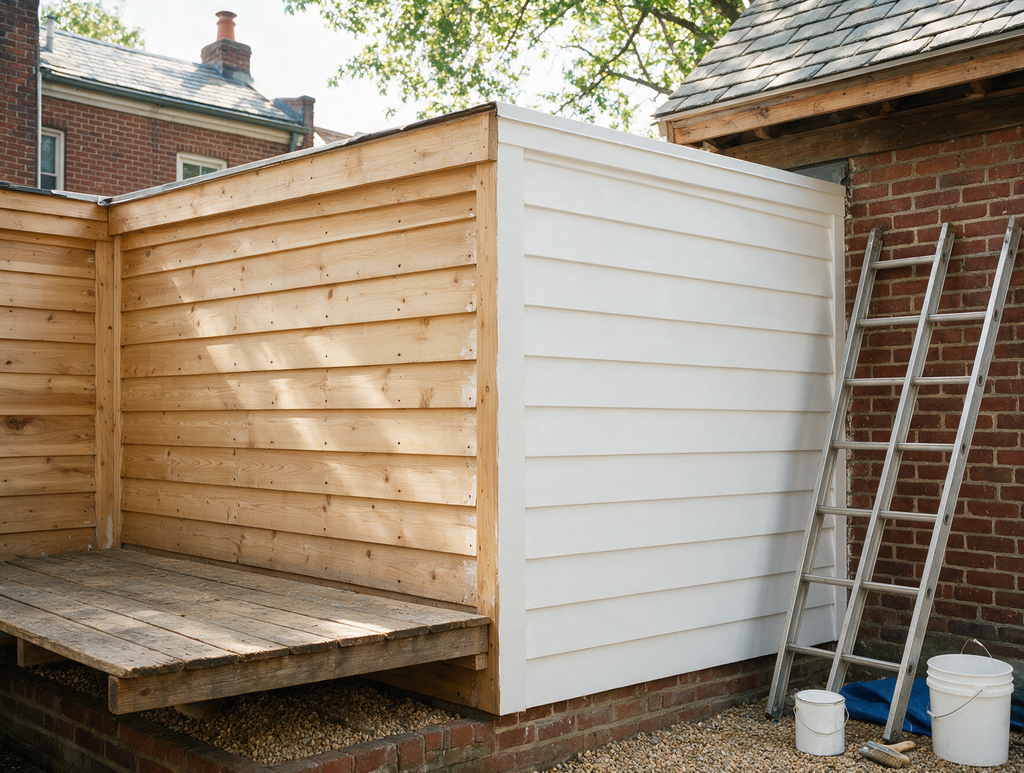
New cedar, weathered siding, previously painted clapboards, resinous knots, and repaired trim do not need the same primer. Identify the wood species where possible, the existing coating type, moisture condition, and the cause of prior failure. Primer cannot stabilize rotten wood or solve active water entry.
Control Tannins and Extractive Staining
Some woods release water-soluble or resinous compounds that discolor light finishes. A suitable stain-blocking primer may be needed after the surface is dry and properly prepared. Spot priming knots without addressing surrounding weathering can still produce uneven absorption and appearance.
Preparation Must Leave a Sound Surface
Loose paint, chalk, dirt, mildew, failed caulk, and degraded fibers interfere with adhesion. Cleaning and scraping should be controlled to protect the building and surrounding property, particularly on older painted surfaces. Feathered edges and repaired end grain help the primer form a continuous base for the finish coat.
Respect Moisture and Re-coat Windows
Wood should be dry enough for the selected system, including at joints and shaded areas. Prime exposed surfaces promptly after preparation and follow stated re-coat times. Painting damp siding or leaving prepared wood exposed to weather can shorten the life of an otherwise compatible coating system.
Questions to Resolve Before Work Begins
Before work begins, document the existing condition and confirm which decisions require a licensed trade, design professional, permit, inspection, or manufacturer review. Ask how the proposed work connects to adjacent materials and building systems, which areas need temporary protection, and what access must remain after completion. A clear written scope should also explain how concealed conditions, substitutions, schedule changes, cleanup, and final testing will be handled. Keep product instructions, approved drawings, inspection records, photographs, and final selections together with the property documents. These records help future owners and service professionals understand what is behind finished surfaces and which maintenance practices are appropriate for the completed work.
Planning the Next Step
Property owners should compare the visible condition with the broader assembly, confirm any permit or manufacturer requirements that apply, and document the proposed scope before materials are ordered. Guidance from USDA Forest Products Laboratory can help frame the technical questions, while an on-site evaluation determines what is appropriate for the individual property. Contact Philadelphia Painting Services to discuss surface preparation, coating selection, scheduling, and finish expectations for your residential or commercial painting project.
Learn more about exterior painting.