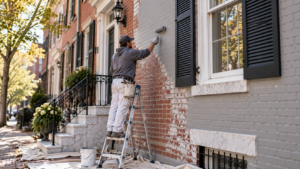

Exterior Brick Painting in Philadelphia: Preparation, Risks, and CoatingsPhiladelphia’s architectural identity is deeply rooted in its historic brick rowhomes. Over time, as raw red brick accumulates urban soot, develops mismatched mortar patches, or sustains visual scarring from structural alterations, homeowners often look for a way to unify the facade. Painting the exterior brick is a popular solution that can instantly modernize a property’s curb appeal.However, applying standard house paint to historic masonry is not a simple cosmetic decision—it is a structural intervention.
If executed incorrectly with the wrong type of coating, painting a brick row-home can trigger catastrophic moisture problems, destroying the brick from the inside out.At Philadelphia Painting Services, we emphasize substrate health before aesthetics.
Philadelphia Painting Services — official website.
EPA: Lead-Safe Renovation, Repair and Painting.
Here is a technical guide to understanding the risks of painting exterior brick, navigating historic preservation guidelines, and selecting the correct breathable coatings to protect your Philadelphia property.The Science of Historic Brick and Vapor PermeabilityTo understand why painting brick is risky, you must understand how historic masonry behaves.Bricks manufactured before the 1920s—which constitute the vast majority of Philadelphia’s rowhomes—were fired at lower temperatures than modern bricks. This makes them relatively soft and highly porous. A historic brick wall acts like a hard, structural sponge.
It absorbs moisture from rain, ambient humidity, and groundwater through capillary action (rising damp).When the sun hits the wall, that moisture evaporates. The wall is constantly breathing, drawing water in and exhaling it back out as vapor.The Danger of Non-Breathable PaintsIf you paint a historic brick facade with standard acrylic latex paint or a heavy, non-breathable elastomeric coating, you effectively wrap the house in a plastic bag.Trapped Moisture: The unpainted interior side of the brick continues to absorb moisture from the ground and internal humidity.
But when that moisture tries to evaporate outward through the exterior face, it hits the impermeable paint barrier and becomes trapped inside the brick.Spalling and Freeze-Thaw Damage: During a Philadelphia winter, the water trapped just behind the paint layer freezes. Water expands when it turns to ice.
This immense internal pressure causes the hard outer face of the historic brick to explode outward—a destructive structural failure known as spalling.Coating Failure: As moisture builds up behind the paint, hydrostatic pressure eventually pushes the paint right off the wall in massive, peeling sheets.It is crucial to understand that paint does not solve active water intrusion.
If you have a roof leak, a failed box gutter, or a plumbing leak causing your masonry to become saturated, painting over the water stains will only trap the water and accelerate the decay of the building envelope.Historic Preservation Rules in PhiladelphiaBefore you purchase a single gallon of paint, you must verify the legal historic status of your property.If your home is individually listed on the Philadelphia Register of Historic Places or sits within a designated historic district (such as Society Hill, Rittenhouse, or Old City), the Philadelphia Historical Commission has strict jurisdiction over exterior alterations visible from the public street.Unpainted Brick: The Historical Commission generally strictly prohibits the painting of historically unpainted masonry.
Once unpainted brick is painted, the process is practically irreversible without highly abrasive and damaging chemical stripping.Previously Painted Brick: If your historic brick facade was already painted decades ago and that paint is failing, the Commission typically allows you to scrape, prep, and repaint the masonry.
However, they may still regulate the color palette you are permitted to use.Always consult with the Historical Commission before beginning exterior work to avoid stop-work orders and severe municipal fines.Proper Surface Preparation for Exterior MasonryIf your property is eligible for painting (or repainting), meticulous surface preparation dictates the lifespan of the new coating. Paint will not adhere to dirt, efflorescence, or loose mortar.1. Cleaning and Efflorescence RemovalThe facade must be thoroughly cleaned. We use low-pressure washing combined with specialized masonry detergents to remove decades of urban carbon pollution and soot.
If white powdery salt deposits (efflorescence) are present, they must be scrubbed away using specific chemical neutralizers. If you paint directly over efflorescence, the salt crystals will push the new paint off the wall within months.2. Masonry RepairsPainting over crumbling mortar joints will not stabilize them. Before painting, any deteriorated mortar must be raked out and repointed using historically appropriate, breathable lime mortar (never modern Portland cement, which will crack the historic brick). The new mortar must be allowed to fully cure (often 28 to 30 days) before any primer or paint is applied.3.
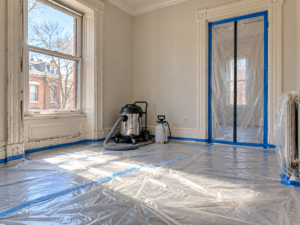
Lead-Safe Practices for Previously Painted HomesIf your home was painted prior to 1978, the existing, peeling paint likely contains lead. Standard dry-scraping or aggressive power sanding is illegal and highly dangerous, releasing toxic lead dust into your neighborhood. Under Environmental Protection Agency (EPA) regulations, contractors must utilize Lead-Safe Work Practices (RRP Rule), which include utilizing wet-scraping methods, HEPA-filtered vacuums, and heavy plastic containment systems to safely capture and dispose of the hazardous debris.
Selecting the Right Coating: Mineral Silicate PaintsTo protect the structural integrity of historic brick while achieving a beautiful, unified finish, you must use a highly vapor-permeable coating.The gold standard for historic masonry is Mineral Silicate Paint (often referred to by brand names like Keim or Romabio).Unlike acrylic paint, which creates a superficial plastic film resting on top of the brick, mineral silicate paint undergoes a chemical reaction with the masonry itself.
It penetrates the pores of the brick and petrifies, chemically bonding with the substrate.The Benefits of Mineral Paint:Extreme Breathability: Mineral paints boast exceptionally high perm ratings, allowing trapped moisture vapor to escape the wall freely. They completely eliminate the risk of freeze-thaw spalling caused by trapped water.Durability: Because it chemically bonds to the brick and does not form a plastic film, mineral paint will never peel, bubble, or blister.
It can easily last 20 to 30 years with minimal maintenance.Luminous Aesthetic: Mineral paints contain natural pigments that reflect light differently than modern acrylics, resulting in a flat, deeply rich, historically authentic appearance.
FAQs About Painting Exterior BrickCan I use a power washer to strip old paint off my brick home
?No. High-pressure washing will gouge the soft face of historic brick and blow the mortar straight out of the joints. Old paint should be removed using chemical strippers formulated for historic masonry, followed by low-pressure rinsing.Is it better to stain brick instead of painting it?Masonry stains are an excellent option. Like mineral paints, masonry stains penetrate the brick and remain highly breathable.
Stains are ideal if you want to alter the color of the brick (e.g., changing mismatched orange bricks to a uniform darker red) while still allowing the natural texture and variation of the masonry to show through.How long must I wait to paint after repairing a roof leak?If a brick wall was saturated by a severe roof leak, the source of the water must be stopped, and the wall must be given ample time to dry out completely—often several weeks of warm, dry weather.
Applying even a breathable coating over a heavily saturated wall can compromise adhesion.Do not gamble with the structural health of your Philadelphia row-home. For expert exterior masonry painting that prioritizes breathability and historic integrity, contact Philadelphia Painting Services.