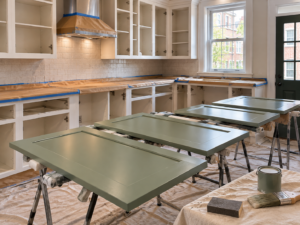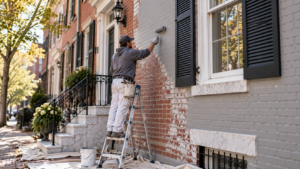

Interior painting becomes a logistics project when the homeowner is still living in the property. Furniture, pets, work schedules, bedrooms, kitchen access, dust, and drying time all affect how disruptive the job feels.
Start With the Existing Condition
Fishtown and Fairmount rowhomes often connect rooms in a straight sequence, so blocking one central area can affect access to several others.
How the Building Type Changes the Plan
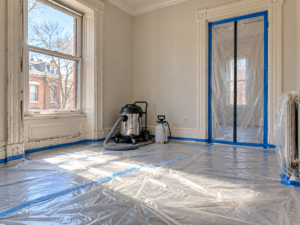
Choose a logical room order and identify where furniture will move, which bathroom or bedroom must remain usable, and which walking paths need continuous floor protection.
The Details to Resolve Early
Separate dusty preparation from finish work. Drywall repair, sanding, scraping, and caulking should be sequenced so fresh paint does not collect debris and occupied rooms do not receive unnecessary dust.
What Separates a Patch From a Durable Result
Daily reset procedures – removing trash, organizing tools, reopening safe paths, and explaining what surfaces can be touched – make multi-day projects easier to live with.
Frequently Asked Questions
Does all furniture need to leave the room?
Not always. Furniture can often be consolidated and protected, but enough working space is needed for safe preparation.
Can a room be used the same night it is painted?
That depends on the products, ventilation, cure conditions, and what surfaces were painted.
How can wall-prep dust be controlled?
Containment, vacuum-assisted sanding where appropriate, floor protection, and sequencing dusty work before finish coats can reduce spread.
Plan the Next Step
Philadelphia Painting Services can organize occupied-home painting around access, protection, preparation, and daily cleanup so the project improves the home without taking it over.
Helpful source: U.S. EPA – Renovation, Repair and Painting Program