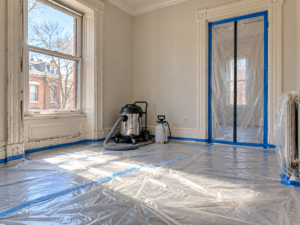

In Fair-mount and Northern Liberties, a project involving preparing previously wallpapered walls for paint is rarely just a question of selecting a product or booking a crew. The condition of the existing building, the sequence of work and the way different trades interact can all change the scope. Wallpaper adhesive and torn drywall facing can telegraph through new paint even after the paper itself is removed. A useful first conversation with a contractor starts with the actual property, not a generic online checklist.
What to examine before work begins
Remove loose adhesive, check substrate damage and assess whether skim coating or sealing primer is necessary. Take clear photographs and record measurements before finishes are removed. Ask which observations are confirmed and which require opening an assembly or involving a specialist. Older homes may contain layers of previous work that are not visible during an initial walk-through. A written scope should distinguish known conditions from allowances for concealed discoveries.
How the work should be planned
Prepare and smooth the wall, prime the repaired surface and inspect under side lighting before finish coats. The schedule should show which decisions must be made before materials are ordered, which trades need access to the same area and what must be inspected before it is covered. If the investigation changes the scope, document the finding and obtain approval for the revised work before proceeding. This is especially important when a cosmetic finish depends on an underlying structural, moisture-control or mechanical detail.
Questions worth asking during the estimate
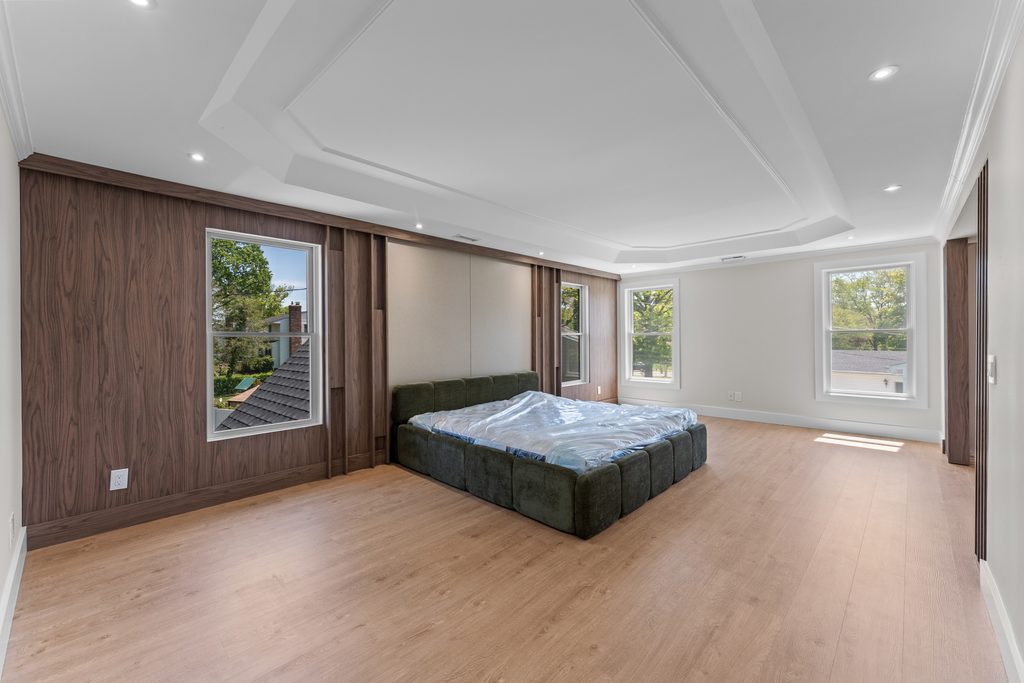
Ask the contractor to explain how the proposed approach addresses the specific issue rather than simply covering it. What evidence supports the diagnosis? Which existing materials can remain? What could change after selective demolition? Who coordinates related trades, and how will the finished work be protected? For properties in Fair-mount and Northern Liberties, access, neighboring structures and the age of existing assemblies can affect staging even when the finished room or exterior detail looks straightforward.
What affects scope, disruption and cost
The largest scope changes usually come from conditions discovered behind finishes, differences between drawings and field measurements, or work that must be coordinated with another trade. Material compatibility, access, disposal, weather exposure and inspection requirements can also affect timing. An estimate should identify what is included, what is excluded, which products have been selected and how unforeseen conditions will be handled. Avoid treating a preliminary site visit as proof that every concealed component is sound.
A practical project sequence
- Document the existing condition and agree on the problem the project is intended to solve.
- Confirm measurements, material compatibility, access and any professional design or permit questions.
- Approve a written scope and coordinate the sequence of demolition, rough work, inspections and finishes.
- Inspect the completed work, retain relevant product information and photograph details that will later be concealed.
Frequently asked questions
Can the work be priced from photographs alone?
Photographs help with an initial conversation, but hidden conditions and field measurements may require a site visit or selective investigation.
Should the finish material be selected before demolition?
Choose key products early enough to coordinate dimensions and compatibility, while leaving room to respond to concealed conditions.
When should another specialist be involved?
Bring in an engineer, licensed trade professional or other qualified specialist when the investigation reveals work outside the original contractor’s scope or professional authority.
Plan your project with Philadelphia Painting Services
If you are considering this work in Fair-mount and Northern Liberties, contact Philadelphia Painting Services to discuss the existing conditions, project goals and appropriate next steps. Start with a property-specific assessment and a clear written scope before committing to finishes or a construction date.