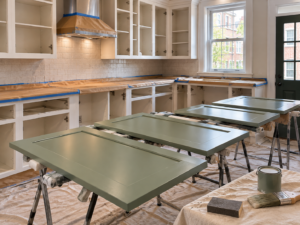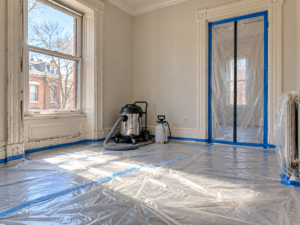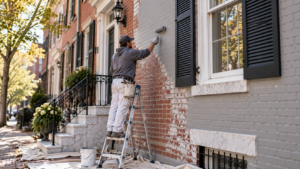

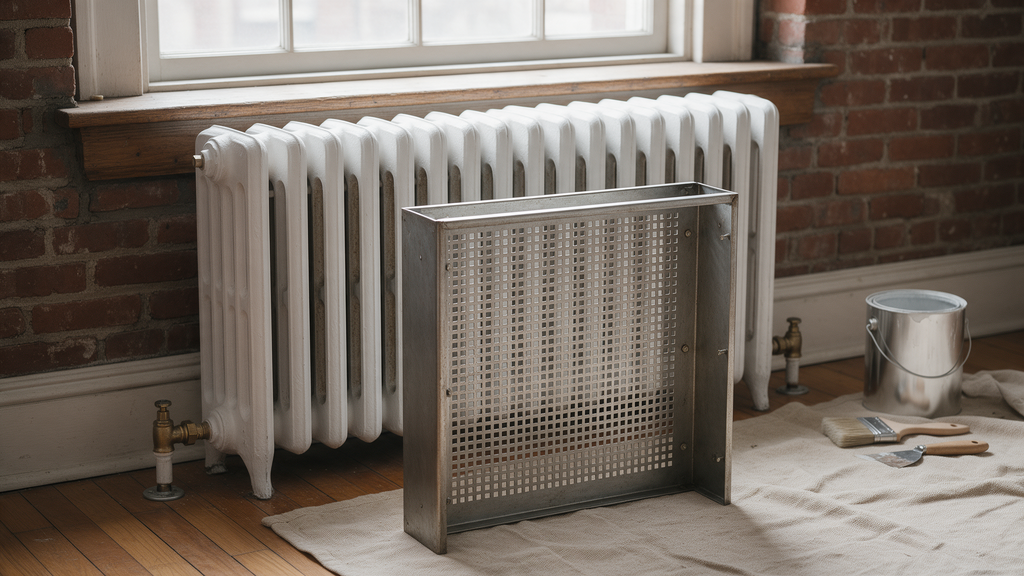
Cast-iron radiators and metal covers are common in older Philadelphia homes, and their coatings can chip, rust, or accumulate many uneven layers. Repainting them successfully requires more preparation than treating them like ordinary wood trim. For homeowners in Center City, South Philadelphia, Fishtown, and Manayunk, this is the kind of detail that can decide whether a renovation or repair remains durable after the visible finish is complete.
The primary search intent behind paint cast iron radiator Philadelphia is practical: understand what the condition means, what should be checked before work proceeds, and how to avoid closing the assembly before the real cause is understood. The goal is not to over-complicate the project; it is to make the scope match the condition that is actually present.
The Problem Behind the Visible Symptom
The visible symptom is only one part of the decision. A contractor also needs to understand existing loose paint and surface rust, whether the unit can be safely cool and out of service during preparation and curing, and how those findings affect the surrounding work. Resolving those questions before finish work protects the new materials and helps keep a localized detail from turning into avoidable rework later.
A Practical Inspection Checklist
A professional review typically includes:
- Existing loose paint and surface rust
- Whether the unit can be safely cool and out of service during preparation and curing
- Compatibility of primer and finish with metal and operating temperatures
- Access behind fins, valves, and covers without disturbing plumbing connections
Building the Detail Correctly
The surface should be cleaned, loose material removed, rust stabilized or treated as appropriate, and compatible coatings applied in controlled coats. Ventilation and cure time matter because heat can affect a coating that is put back into service too soon. The best result comes from coordinating the hidden construction with the finish requirements so one trade is not forced to undo another trade’s completed work.
This is where a focused commercial service page should receive the strongest internal support. Learn more about painting services and how the broader project can be coordinated around the condition described here.
Shortcuts That Usually Fail
Painting over rust or oily dust leads to poor adhesion. Heavy paint buildup between moving cover pieces can also make panels difficult to remove for future service. A strong scope separates a cosmetic correction from work that affects performance, access, drainage, structure, or serviceability.
Escalation Triggers
Older coatings in pre-1978 homes may involve lead-safe work practices, and damaged radiators or valves should be handled separately from the painting scope. That decision should be made before the area is covered, painted, tiled, sided, or otherwise treated as complete.
Reference: U.S. EPA Lead Program. Requirements and field conditions vary by project, so the applicable authority and project-specific professionals should guide final decisions.
Plan the Next Step
Philadelphia Painting Services can help determine the prep, primer, coating, and application sequence needed for a durable finish rather than treating every surface as a simple repaint.